tructure capable of handling large amounts of data with low latency and high reliability. This means network engineers are becoming increasingly important to AI infrastructure.
According to Network World, enterprises are adopting AI-driven network operations, multicloud networking, zero-trust network access and SD-WAN, creating new responsibilities and skills for network professionals.
Network engineers are therefore moving from simply configuring network devices toward designing, automating, monitoring and optimizing intelligent network environments.
Cisco Updates Its Networking Certification Direction
One of the clearest signals of this transformation came from Cisco in May 2026.
Cisco announced the first major CCNA blueprint change since 2019. The updated direction emphasizes four major areas:
- Network infrastructure
- Troubleshooting and problem-solving
- A security-first mindset
- Understanding AI’s role in network management and operations
Cisco also says the refreshed CCNA will place greater emphasis on hands-on learning and practical skills. The updated exam is scheduled to become available on February 3, 2027.
At the expert level, Cisco is also introducing an AI-focused module for the CCIE practical exam, where candidates will use AI assistance for activities such as configuration, troubleshooting and code creation.
This sends an important message to aspiring network engineers:
Networking knowledge is still essential—but knowing how to use AI and automation around that knowledge is becoming a career advantage.
The Networking Skills Employers Are Looking For
The networking career path is expanding beyond traditional routing and switching.
1. Networking Fundamentals
The foundation remains critical.
Professionals should understand:
- TCP/IP
- OSI model
- IPv4 and IPv6
- Subnetting
- VLANs
- STP
- Routing
- OSPF
- BGP
- DHCP and DNS
- Network troubleshooting
Strong fundamentals make it easier to move into advanced networking technologies.
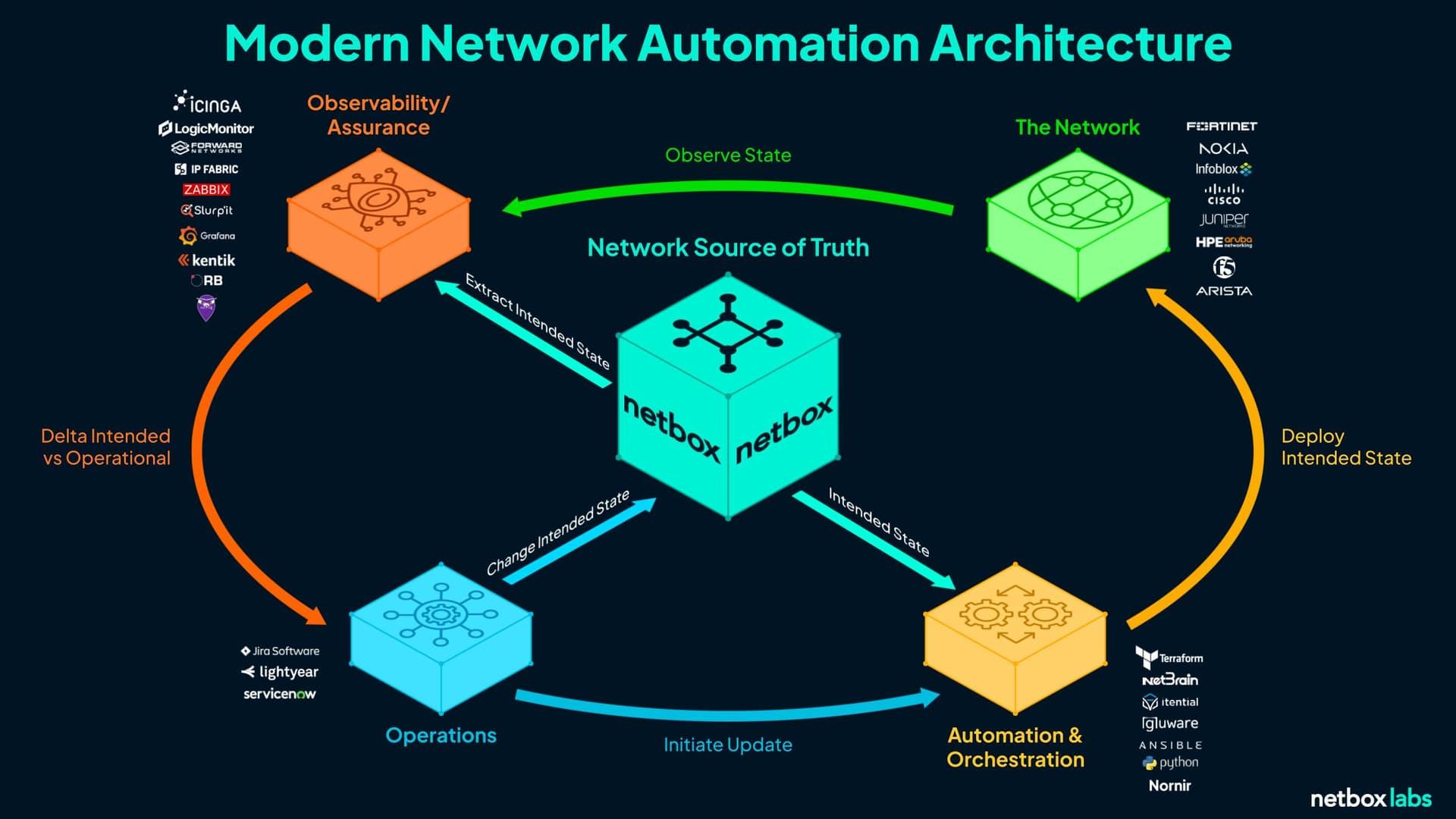
2. Network Automation
Manual configuration does not scale well in large environments.
Python, APIs, Ansible and automation platforms are increasingly becoming part of the network engineer’s toolkit.
Automation allows engineers to:
- Configure multiple devices
- Reduce repetitive tasks
- Standardize configurations
- Detect network problems
- Improve deployment speed
- Reduce human error
Cisco’s certification updates also reflect this broader shift toward automation and AI-enabled networking.
3. Cloud Networking
As businesses adopt hybrid and multi-cloud infrastructure, network engineers need to understand how networking works across cloud environments.
Important areas include:
- AWS VPC
- Azure VNet
- Cloud routing
- VPNs
- Load balancing
- Network security
- Private connectivity
- Cloud DNS
- Hybrid networking
The traditional network engineer is increasingly becoming a cloud-connected network professional.
4. Cybersecurity
Networking and cybersecurity are becoming increasingly interconnected.
Network professionals are expected to understand technologies such as:
- Firewalls
- VPNs
- Zero Trust
- Network segmentation
- Secure access
- SASE
- Security monitoring
Industry analysis for 2026 identifies cybersecurity, cloud/hybrid networking and automation among the key skill areas for networking professionals.
5. Observability and Monitoring
Modern networks are too complex to manage using basic monitoring alone.
Engineers increasingly need to understand:
- Network telemetry
- Logs
- Metrics
- Performance monitoring
- Traffic analysis
- Automated alerts
- Root-cause analysis
The ability to understand why a network is behaving a certain way is becoming just as important as knowing how to configure it.
New Career Opportunities Are Emerging
The networking career path is no longer limited to becoming a traditional Network Administrator or Network Engineer.
Professionals can specialize in areas such as:
Network Engineer → Senior Network Engineer → Network Architect
or move into specialized roles such as:
- Cloud Network Engineer
- Network Security Engineer
- Network Automation Engineer
- SD-WAN Engineer
- SASE Engineer
- Data Center Network Engineer
- Wireless Network Engineer
- Network Architect
- Site Reliability Engineer
- Infrastructure Engineer
The expansion of AI infrastructure is also creating opportunities for professionals who understand how high-performance computing environments depend on reliable, scalable networks.
Is Networking Still a Good Career in 2026?
Yes—but the skill requirements are changing.
Industry analysis suggests that networking hiring remains strong, while employers increasingly favor professionals with advanced or specialized skills rather than candidates limited to manual configuration.
This means the best approach for students and freshers is not to abandon networking because of automation or AI.
Instead, they should build strong networking fundamentals and then add modern skills on top of them.
A Future-Ready Networking Career Roadmap
A practical learning path could look like this:
Step 1: Networking Fundamentals
↓
Step 2: CCNA-level Routing & Switching
↓
Step 3: Network Security & Firewalls
↓
Step 4: Linux & Troubleshooting
↓
Step 5: Python & Network Automation
↓
Step 6: Cloud Networking
↓
Step 7: SD-WAN / SASE / Advanced Networking
↓
Step 8: AI, AIOps & Network Observability
This combination can help students move from entry-level networking roles toward specialized and higher-responsibility positions.
The Future Network Engineer
The network engineer of 2026 is no longer just someone who logs into a router and enters commands.
The modern professional needs to understand networks, cloud, security, automation and AI as parts of one connected ecosystem.
AI will automate many repetitive activities, but organizations will still need professionals who understand network architecture, validate automated decisions, troubleshoot complex environments and make the right technical decisions.
Cisco’s latest certification changes reinforce this direction: future networking professionals will need a combination of technical expertise, hands-on ability, AI awareness, security knowledge and human problem-solving skills.
Final Takeaway
Networking is not disappearing. Networking is evolving.
The career opportunity is shifting from traditional device configuration toward cloud networking, automation, cybersecurity, AI infrastructure and intelligent network operations.
For students and IT professionals planning their next career move, the message is clear:
Learn networking. Learn automation. Learn cloud. Learn security. Learn AI.
The professionals who combine these skills will be better positioned for the next generation of networking careers.