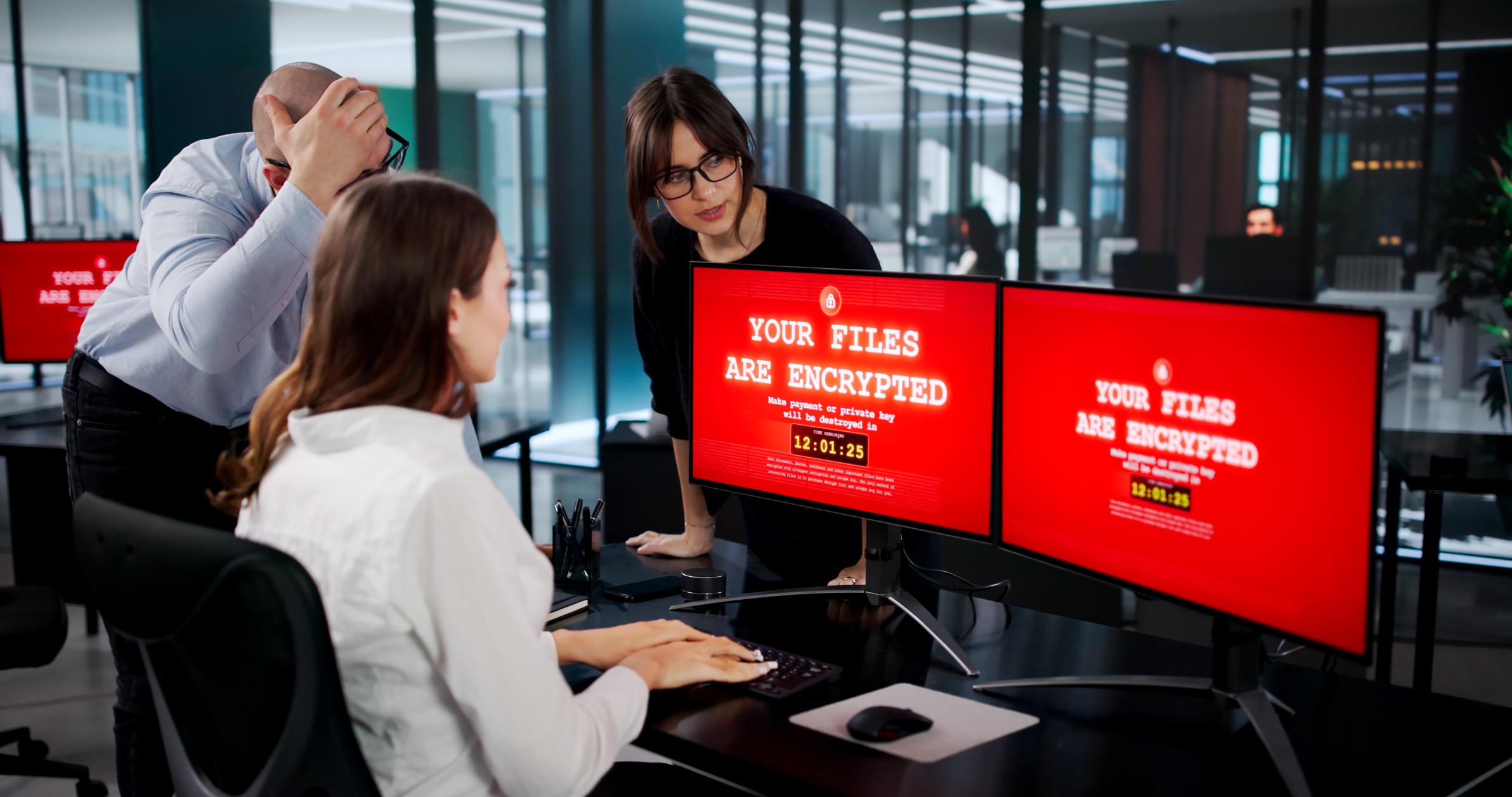
Introduction
The cybersecurity landscape is evolving at an unprecedented pace. As businesses continue to embrace digital transformation, cloud computing, remote work, artificial intelligence (AI), and connected devices, cybercriminals are becoming more sophisticated in their methods. In 2026, organizations of every size—from startups to multinational enterprises—face an increasing number of cyber threats that can disrupt operations, compromise sensitive data, damage customer trust, and result in significant financial losses.
Unlike traditional cyberattacks that focused mainly on viruses and malware, modern threats are powered by automation, AI, and advanced hacking techniques. Attackers are targeting cloud environments, software supply chains, employee identities, and even AI systems themselves. As a result, cybersecurity is no longer just an IT concern—it has become a critical business priority.
This blog explores the most significant cybersecurity threats businesses should be aware of in 2026 and outlines practical strategies to strengthen their defenses.
1. AI-Powered Phishing Attacks
Phishing has long been one of the most common cyber threats, but artificial intelligence has made these attacks more convincing than ever.
Cybercriminals now use AI to create highly personalized phishing emails, fake websites, and fraudulent messages that closely mimic legitimate organizations. These attacks often contain perfect grammar, realistic branding, and personalized details gathered from publicly available information.
Common Examples
- Fake bank notifications
- Fraudulent HR emails
- Business invoice scams
- Fake password reset requests
- Executive impersonation emails
How Businesses Can Protect Themselves
- Implement Multi-Factor Authentication (MFA)
- Conduct regular phishing awareness training
- Deploy advanced email security solutions
- Verify unusual requests through trusted communication channels
2. Ransomware Attacks Continue to Evolve
Ransomware remains one of the most damaging cybersecurity threats for businesses. Modern ransomware groups no longer simply encrypt files—they often steal sensitive data before locking systems, creating a double-extortion scenario where victims are pressured to pay to regain access and prevent public exposure.
Organizations in healthcare, finance, education, manufacturing, and government sectors are particularly attractive targets because downtime can have severe operational consequences.
Warning Signs
- Sudden file encryption
- Unusual system slowdowns
- Unauthorized administrator accounts
- Suspicious network traffic
Best Practices
- Maintain offline and immutable backups
- Regularly patch systems and applications
- Segment critical networks
- Deploy Endpoint Detection and Response (EDR) solutions
- Test disaster recovery plans
3. Cloud Security Misconfigurations
As businesses migrate workloads to cloud platforms, misconfigured storage, weak access controls, and exposed APIs continue to cause data breaches.
Many cloud security incidents occur because organizations accidentally leave storage buckets, databases, or administrative interfaces publicly accessible.
Common Risks
- Publicly exposed cloud storage
- Weak Identity and Access Management (IAM) policies
- Poor API security
- Excessive user permissions
Prevention Strategies
- Apply the principle of least privilege
- Continuously monitor cloud environments
- Enable encryption for sensitive data
- Conduct regular cloud security assessments
4. Supply Chain Cyberattacks
Modern businesses rely on numerous third-party vendors, software providers, and cloud services. Attackers increasingly target these trusted suppliers to gain indirect access to multiple organizations.
Compromising a single software vendor can allow malicious code or updates to spread to thousands of customers.
Businesses Should
- Evaluate vendor security practices
- Monitor third-party access
- Require software integrity verification
- Limit external system permissions
5. Identity and Credential Theft
Passwords remain one of the weakest points in enterprise security. Cybercriminals steal login credentials through phishing, malware, password reuse, and data breaches.
Once attackers gain access to valid user accounts, they can often bypass traditional security controls.
Protection Measures
- Use Multi-Factor Authentication
- Enforce strong password policies
- Implement password managers
- Monitor for suspicious login activity
- Adopt passwordless authentication where possible
6. Insider Threats
Not every cyber threat comes from outside the organization. Employees, contractors, or business partners may intentionally or accidentally expose sensitive information.
Examples include:
- Sharing confidential files
- Misusing administrative privileges
- Falling victim to phishing attacks
- Copying customer data before leaving the company
Risk Reduction
- Apply role-based access controls
- Monitor user activity
- Conduct regular security awareness training
- Restrict unnecessary access to sensitive systems
7. Internet of Things (IoT) Vulnerabilities
Smart devices such as security cameras, printers, sensors, medical equipment, and industrial systems are increasingly connected to business networks.
Many IoT devices have weak default passwords, outdated firmware, or limited security features, making them attractive targets.
Recommendations
- Change default credentials
- Regularly update firmware
- Isolate IoT devices on separate network segments
- Monitor connected devices continuously
8. API Security Risks
Application Programming Interfaces (APIs) are essential for modern applications, enabling communication between software systems. However, poorly secured APIs can expose sensitive data or provide unauthorized access to business applications.
Common API Threats
- Broken authentication
- Excessive data exposure
- Injection attacks
- Weak authorization controls
Best Practices
- Implement API authentication and authorization
- Encrypt API communications
- Validate all user inputs
- Regularly test APIs for vulnerabilities
9. AI System Exploitation
As organizations integrate AI into customer service, software development, analytics, and business operations, attackers are increasingly attempting to manipulate AI systems.
Potential threats include:
- Prompt injection attacks
- Data poisoning
- Model manipulation
- AI-generated misinformation
- Unauthorized access to AI models
Businesses should implement governance policies and monitor AI systems for unusual behavior to reduce these risks.
10. Advanced Persistent Threats (APTs)
Advanced Persistent Threats are sophisticated, long-term attacks typically carried out by highly skilled cybercriminal groups. Rather than seeking immediate financial gain, these attackers quietly infiltrate networks and remain undetected while collecting sensitive information.
APTs often target:
- Government agencies
- Financial institutions
- Healthcare organizations
- Critical infrastructure
- Large enterprises
Defense Strategies
- Continuous network monitoring
- Threat intelligence integration
- Security Information and Event Management (SIEM)
- Regular penetration testing
- Zero Trust architecture
Emerging Cybersecurity Trends in 2026
Several industry trends are shaping the future of cybersecurity:
AI-Driven Threat Detection
Security platforms now use artificial intelligence to detect anomalies, identify threats faster, and automate incident response.
Zero Trust Security
Organizations increasingly adopt a “Never Trust, Always Verify” approach, continuously validating users, devices, and applications before granting access.
Security Automation
Routine security tasks such as vulnerability scanning, patch management, and incident response are becoming more automated, allowing security teams to respond more quickly to emerging threats.
Cloud-Native Security
As cloud adoption grows, businesses are investing in security solutions specifically designed to protect cloud environments, containers, and serverless applications.
Best Practices Every Business Should Follow
Building a strong cybersecurity posture requires a proactive approach. Organizations should:
- Conduct regular cybersecurity awareness training
- Enable Multi-Factor Authentication across all critical systems
- Keep software and operating systems updated
- Perform regular vulnerability assessments
- Maintain secure and tested backups
- Implement Zero Trust Security principles
- Monitor networks 24/7 for suspicious activity
- Encrypt sensitive business data
- Develop and regularly test an incident response plan
- Work with trusted cybersecurity professionals for audits and assessments
Career Opportunities in Cybersecurity
As cyber threats continue to evolve, the demand for skilled cybersecurity professionals is growing rapidly. Some of the most sought-after roles include:
- Cybersecurity Analyst
- Security Operations Center (SOC) Analyst
- Penetration Tester (Ethical Hacker)
- Incident Response Specialist
- Cloud Security Engineer
- Network Security Engineer
- Security Consultant
- Digital Forensics Investigator
- Identity and Access Management (IAM) Engineer
- Governance, Risk, and Compliance (GRC) Analyst
Professionals with expertise in cloud security, threat detection, network defense, and security automation are expected to remain in high demand across industries.
Conclusion
Cybersecurity threats in 2026 are more advanced, automated, and persistent than ever before. From AI-powered phishing campaigns and ransomware attacks to cloud vulnerabilities, supply chain compromises, and AI system exploitation, organizations must be prepared to defend against an increasingly complex threat landscape.
Cybersecurity is no longer just about deploying antivirus software or installing firewalls—it requires continuous monitoring, employee awareness, strong identity management, secure cloud practices, and a proactive security strategy. Businesses that invest in modern cybersecurity technologies, adopt Zero Trust principles, and foster a culture of security awareness will be better positioned to protect their operations, maintain customer trust, and adapt to the challenges of an ever-evolving digital world.
By staying informed and implementing robust security practices, organizations can reduce risk, strengthen resilience, and confidently embrace the opportunities of the digital future.